
When people picture doula support during a hospital birth, they often imagine something very specific and not always accurate.

TV and media tend to portray doulas as aggressively “woo woo” (yes, that’s a technical term): shoving essential oils in faces, loudly advocating over medical staff, coaching every breath, or insisting birth happen a certain way.
But real support rarely looks like that.
Most of the time, doula support is often quieter, subtler, and much more responsive. It’s not about controlling outcomes or pushing labor in a certain direction, it’s about helping someone move through intensity and uncertainty feeling steadier, safer, and less alone.
This post is about demystifying what support actually looks like in the moment, especially in a hospital environment where medical care is already present and essential.
What A Doula Does Not
First, let’s clear up some common misconceptions.
Support during a hospital birth is not:
- Taking over decision-making
- Replacing doctors, nurses, or midwives
- Guaranteeing an unmedicated birth or a specific outcome
- Constant talking, touching, or instruction
- “Fixing” labor when it becomes intense or unpredictable
Doula support doesn’t override medical care—it complements it. And it doesn’t require labor to look a certain way to be valuable.
What Doula Support Actually Looks Like
1. Creating a Sense of Safety
One of the most important roles of support is helping the nervous system settle. Birth is deeply physical, but it’s mental and emotional too.
In a hospital setting, this often looks like a calm, steady presence when things feel uncertain. It might mean helping soften the environment when possible—dimmed lights, quieter voices, fewer unnecessary interruptions. Sometimes that includes small touches that make the space feel more human and less clinical (yes, an essential oil or two might make an appearance).
It can also look like explaining what’s happening in simple, non-alarming language or staying grounded when plans feel unclear or begin to change.
Feeling safe doesn’t mean everything is going perfectly. It’s about how you feel and are able to navigate through the changes.
2. Helping You Cope With Intensity
Labor is intense—physically and emotionally. Support helps you cope with that intensity, not push through it or minimize it.
This might include:
- Physical comfort measures like positioning, counterpressure, or gentle touch
- Breath cues or reminders when things feel overwhelming
- Encouragement that normalizes intensity rather than framing it as failure
- Helping you rest and recover between contractions
- Adjusting support as labor changes, rather than sticking rigidly to a plan
This can be especially helpful for people who naturally tend to overthink or stay mentally “on” during stressful situations. Good support adapts to what your body is doing in real time.
3. Emotional Presence (Often the Invisible Work)
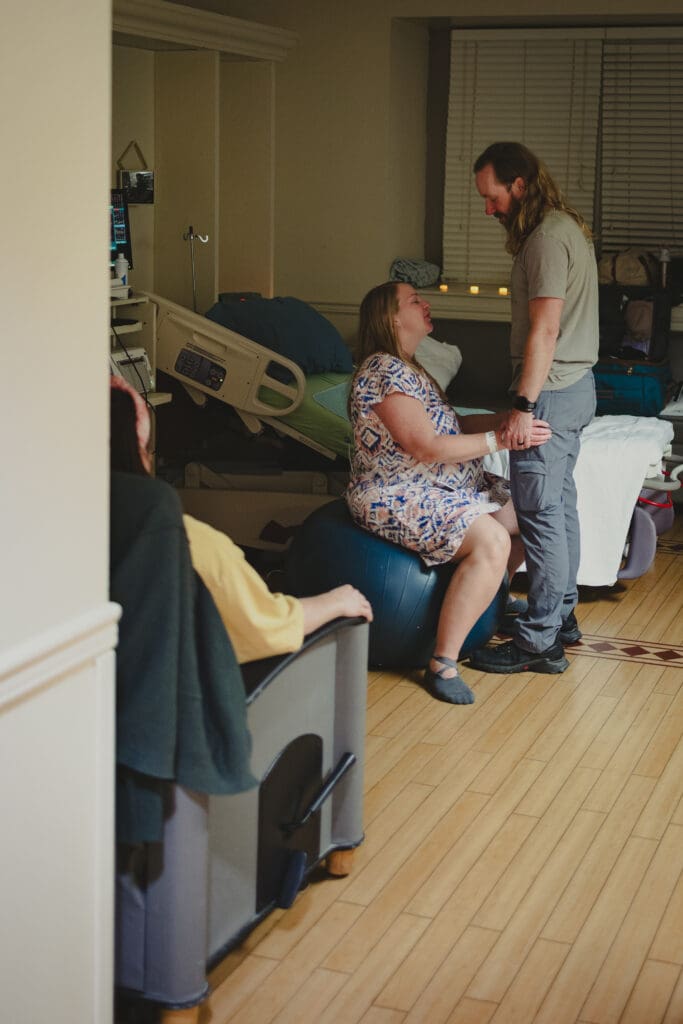
Some of the most meaningful support doesn’t look like much from the outside.
It can look like sitting quietly when words aren’t helpful. Reading body language instead of filling space. Knowing when not to intervene. Offering reassurance without dismissing fear or rushing someone through it.
This kind of presence is subtle, but it matters deeply—especially during moments when labor feels heavy, vulnerable, or emotionally charged.
4. Supporting Communication (Not Speaking for You)
Support doesn’t mean speaking for you. It means helping you feel more capable of speaking for yourself.
That can look like:
- Helping you gather your thoughts before a conversation
- Clarifying questions you want to ask
- Making sure you feel heard and understood
- Supporting informed consent without pressure or urgency
This is also part of why birth plans can be so valuable when approached as a tool for communication rather than control.
The goal is never to take control. It’s to help you feel grounded and clear when decisions need to be made. This can be especially important in a hospital setting, where parents may feel there’s little room for questions or time to fully process their options.
5. Supporting Your Partner, Too
Support during birth isn’t only for the birthing person.
Partners often want to help, but aren’t always sure how. Or they feel pressure to be “everything” at once. A doula can offer guidance on how to be helpful in the moment, reassurance that their presence matters, and permission to step back or rest when needed.
When partners feel supported, the entire birth space tends to feel steadier and more connected.
How Support Adapts When Plans Change
There’s a common misconception that doula support is only for those trying to have an unmedicated birth.
But support is just as valuable during inductions, when pain relief is chosen, when monitoring becomes continuous, or when surgery becomes part of the story. Circumstances change, but the purpose stays the same: helping someone feel steady, informed, and supported during an intense and emotional experience.
Even when medical interventions are necessary, emotional presence and physical comfort don’t stop being relevant. Birth doesn’t become less meaningful when plans change and support matters just as much in those moments.
Why This Kind of Support Matters
Birth is remembered not just by what happened, but by how it felt to move through it. And that emotional experience often shapes whether someone walks away feeling connected to their birth or overwhelmed by it.
Feeling supported can influence how intense labor feels in the moment, how grounded someone feels when decisions need to be made, and how birth is carried afterward—in memory, in the body, and in the early postpartum days.
Support isn’t about being strong enough or tough enough. It’s about not being alone while doing something hard. It’s about not having to grit your teeth and “grin and bear it.”
In my own births, and in births I’ve attended, I’ve seen how powerful it can be when someone feels fully supported. When there is room for them to make decisions without pressure, to express their fears and emotions and feel really heard and held.
Support Doesn’t Have To Be a Doula
Support doesn’t have to come from a doula.
I’ve seen husbands be incredible support people. I’ve seen mothers, sisters, and friends care for someone in labor with so much tenderness and steadiness.
But sometimes the people who love us most still aren’t quite sure how to navigate the intensity and unpredictability of birth. That’s where doulas can help—not by taking over, but by helping everyone feel more grounded and supported in the moment.
If you’re planning a hospital birth in Tifton or anywhere in South Georgia and want steady support during labor, you can learn more about doula support here.


comments +