
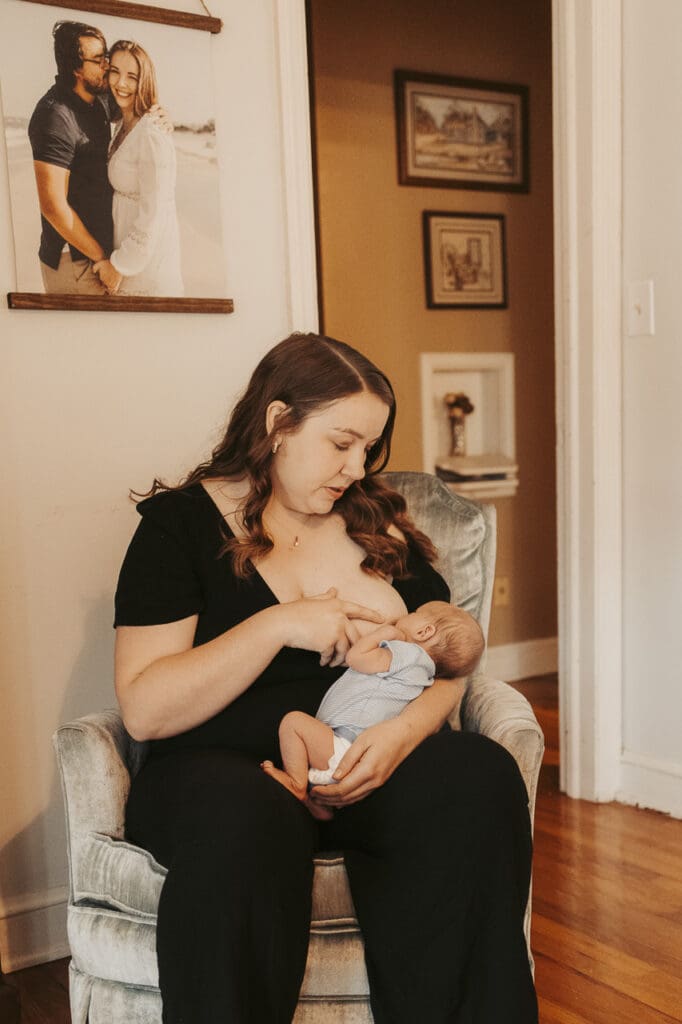
We spend so much time talking about birth. The contractions. The hospital bag. The birth plan.
But what no one prepares you for is postpartum: what happens after the baby arrives.
Postpartum is beautiful and tender… and it’s also messy, emotional, overwhelming, and nothing like the highlight reel we see and share online.
The truth is that most women walk into this season completely unprepared. Not because they didn’t read enough or try hard enough, but because our culture doesn’t talk honestly about what it’s actually like.
So if you’re pregnant in Tifton, south Georgia, or anywhere else, I want to share the things we don’t talk about enough.
Postpartum Recovery is Often Overlooked
For all the focus we put on pregnancy and birth, postpartum is often an afterthought. Most of us spend months planning for labor, choosing a provider, writing a birth plan… and then very little time thinking about after the baby comes.
It’s not your fault. The system itself treats postpartum like a footnote.
Your body has just done the most intense work it will ever do, and yet the follow-up appointment is weeks away. The attention shifts almost instantly to the baby and you’re left navigating physical recovery, emotional swings, sleep deprivation, and a brand-new identity with very little preparation.
Partners feel unsure of how to help. Moms feel blindsided by how big the adjustment is. And everyone wonders why no one talked about this part sooner.
Postpartum shouldn’t be something you “figure out.” It’s something you deserve to be supported through—with honesty, compassion, and a village that doesn’t disappear the moment the baby arrives.
The Physical Recovery No One Talks About
There’s a whole physical side of postpartum that catches many people off guard.
Your body has just worked harder than it ever has, and it will show.
No one tells you how intense those “afterbirth pains” can feel, especially with each successive baby. Or how strange it is to stand up for the first time and feel your stomach, your hips, your whole center of gravity has shifted. No one mentions the swelling, the bleeding, the night sweats, or the way your milk can come in overnight and suddenly your chest feels like it belongs to someone else.
If you had tearing or stitches, sitting, walking, or going to the bathroom might feel uncomfortable for a while. Even without tearing, your whole pelvic floor has stretched and worked hard.
And then there’s the unfamiliar feeling of being in this post-pregnancy body. It doesn’t quite feel like “you” anymore.
You’re healing, adjusting, learning, and everything feels tender.
None of this means anything is wrong with you. It means your body just did something monumental. And it deserves more care, rest, and support than our culture usually gives it.
What Actually Helps Your Postpartum Body Heal
The hard part about postpartum is that everyone tells you to “rest,” but no one really explains what that means or why it matters. I’ll be honest: I never rested as much as I’m about to suggest with most of my pregnancies, for lots of reasons (including simply not having the option—which is valid and real for so many of us). But I regretted it, and in hindsight, I wish my postpartum seasons had looked a little different.
Here are a few things that can make a real difference during those early days and weeks:
Resting more than feels natural.
Most of us are used to pushing through discomfort, but rest isn’t a luxury—it’s a medical need. Your body heals fastest when you’re taking it easy, feeding your baby, and letting others take care of you.
Letting yourself move slowly.
Your body has just been put through the ringer. Moving slowly and intentionally is an act of care, not weakness.
Supporting your pelvic floor.
Your pelvic floor has done a tremendous amount of work. Gentle breathing, avoiding heavy lifting, and giving yourself time before adding exercise back in can help protect you long term.
Caring for tender areas.
Peri bottles, witch hazel pads, ice packs, sitz baths, comfortable underwear—these aren’t indulgences. They’re tools that make daily life manageable as swelling and discomfort ease.
Eating nourishing, grounding foods.
Warm meals, simple proteins, healthy fats, soups, broths. Foods that support healing and digestion are incredibly helpful, especially when your appetite and schedule feel unpredictable.
Asking for and receiving help.
This is often the hardest part. Let others carry the load so you can focus on healing and bonding.
Giving yourself permission to do less.
You don’t have to “bounce back,” catch up, or return to normal. There’s a reason many cultures honor 30–40 days of rest after birth. Your body knows how to heal, it just needs time and space to do it.
Postpartum healing isn’t fast, and it isn’t linear. Some days you’ll feel almost normal, and the next day you may feel like everything aches again. That’s okay. You’re not doing anything wrong, you’re recovering from something monumental.
How to Prepare for Postpartum Before Baby Arrives
One of the kindest things you can do for yourself is to set up a few small supports before you have the baby. It doesn’t need to be elaborate or Pinterest-perfect. Just a little intentional preparation can make those first weeks feel gentler and less chaotic.
Prepare Your Space
Think of creating tiny “nests” around your home. Places where you’ll spend time feeding, resting, or healing. This might look like:
- A cozy spot on your bed or couch (probably both)
- A basket with snacks, water, nipple balm, and a phone charger
- Soft pillows for positioning
- A lamp or nightlight for middle-of-the-night feeds
Prepare a Few Essentials
You don’t need a huge stockpile. A few simple items can make recovery more manageable:
- pads
- comfortable underwear
- peri bottle
- witch hazel pads or a sitz spray
- ice packs
- a few freezer meals or easy snacks
Prepare Your Support System
If you’re able, talk with your partner, family, or close friends about what you’ll need those first couple of weeks. This might include:
- someone to manage meals
- help with laundry
- care for older children
- someone to check in on you
It can feel vulnerable to ask, but early postpartum isn’t a time to be self-sufficient. You deserve help, and your healing will be easier if you’re not trying to do it all alone.
Postpartum asks a lot from your body and your heart, and most of us aren’t given the tools or support we deserve going into it. But when you understand what’s coming and give yourself permission to slow down, the whole experience can feel less confusing and a lot more manageable. You’re not meant to do this alone, and you don’t have to.
Next up, I’ll talk about the emotional and mental side of postpartum. The part that often hits the hardest and gets talked about the least. If there’s one thing every mom deserves to hear ahead of time, it’s this. Read more about the mental side of postpartum here.
If you’re planning a 2026 birth in the Tifton or the South Georgia area and want support that extends beyond the delivery room, you can learn more about doula support in Tifton here.
You might also like:
- How to Prepare for Birth If You’re Naturally Anxious
- Red Flags in Prenatal Care (Subtle Signs You Shouldn’t Ignore)
- What Does a Doula Actually Do During a Hospital Birth?
- The Mental Side of Birth (And Why It Matters More Than We Realize)
- What No One Prepares You For Postpartum: The Emotional & Mental Side


comments +